Menu
Small and available everywhere!
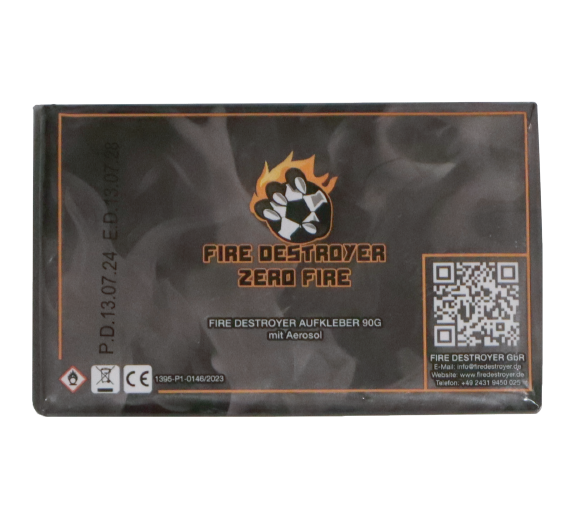
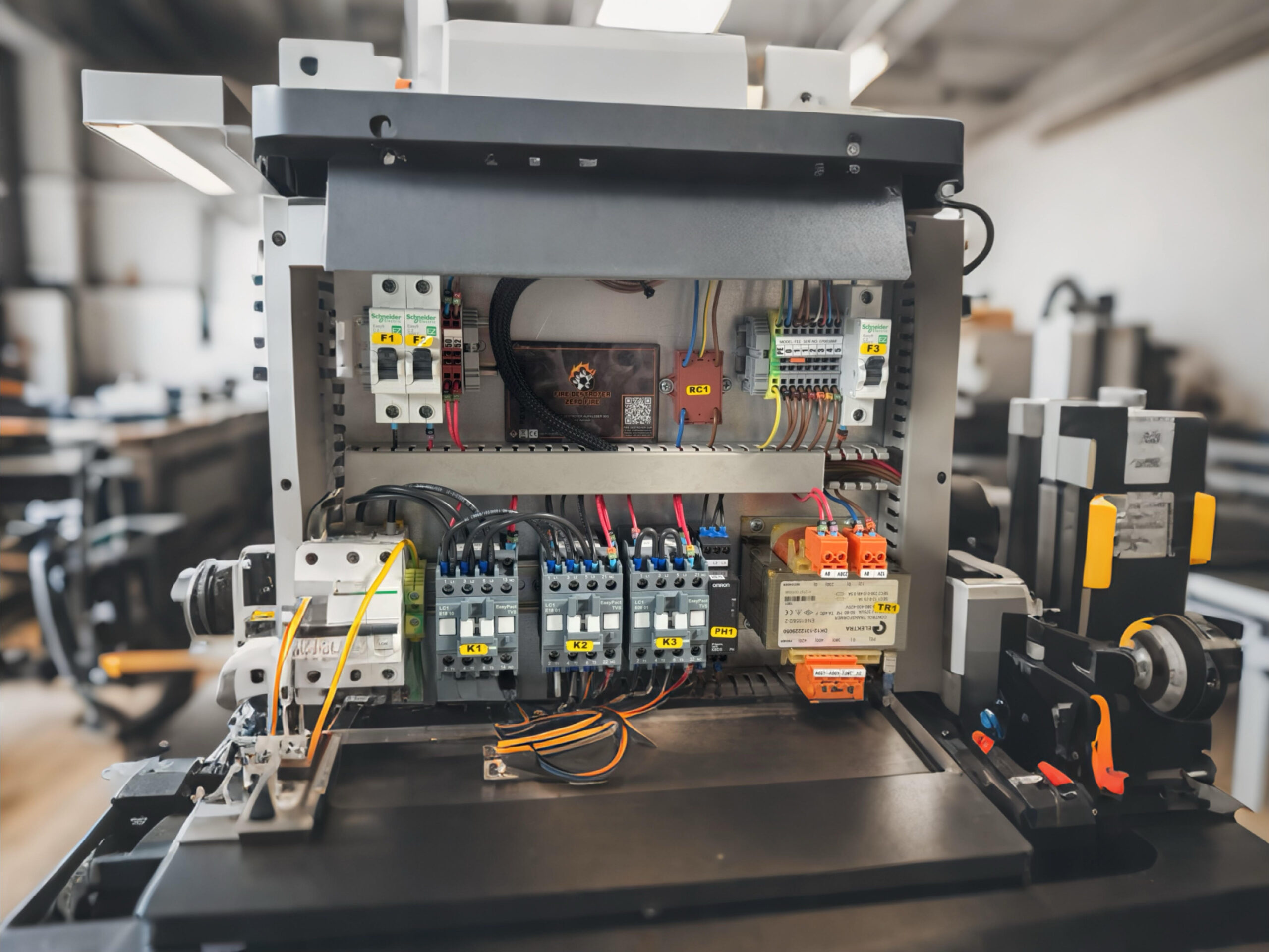
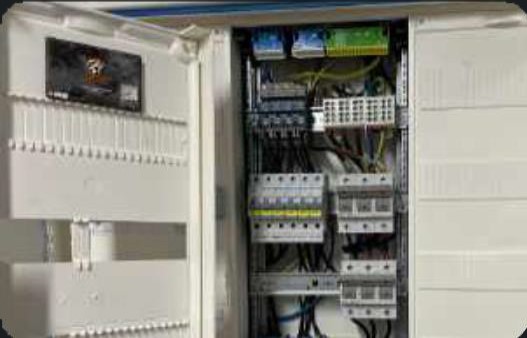
Due to its shape and size, the FIRE DESTROYER label is designed for installation in smaller control cabinets.
-10%
135.56 € 122.00 € Z DDV (100.00 € BREZ DDV)
Normes
Značilnosti
Uporaba
Garantie
-10%
Deli s prijatelji
Specifications
Reaction time
3-5 seconds
For extinguishing fires in classrooms
A, B, C, F.
Extinguishing volume
small 0.12 m³ (90 g),
large 0.36 m³ (250 g)
Estimated installation time
approx. 5 minutes
Mass
small label 80 mm x 90 mm,
large label 305 mm x 90 mm
Warranty period
4 years and requires no additional maintenance
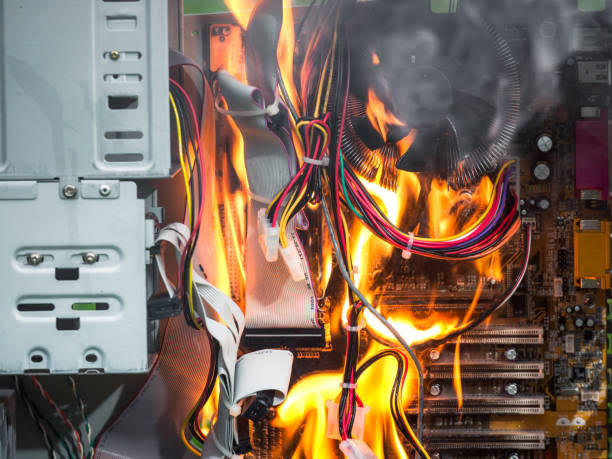
Causes of fire:
Old, worn fuses
Unprofessional relationship
Overload of the power grid
Poor material quality
Overheating
pollution
Mechanical damage
Rodent damage
1. To begin the installation, first open the fuse box cover.
2. Ensure that the selected installation location is clean and free of dirt to ensure optimal adhesion.
3. Apply the sticker to the desired location and press firmly, ensuring it sits securely and evenly.
4. Repeat the process for all locations you want to secure. Once all stickers are in place, the installation is complete.
facile à utiliser
testé et certifié
non toxique
compact et léger
Mnenja était bizarre
"Z gradbeno dejavnostjo se ukvarjamo že več kot 20 let. Doziveli smo že, da se nam je v glavni sezoni zgodil požar v delovnem stroju in v agregatu. To je bil poglavitni razlog za nakup DISKA FIRE DESTROYER."
Epson doo
« Nous sommes en mesure de nous aider à prendre les choses en main et de nous assurer que nous sommes en mesure d'agir de manière à ce qu'ils soient en mesure de le faire. »
Allemand doo
"Smo podjetje katero se ukvarja ukvarja za spletnim marketingom, racunalniskimi in racunovodskimi programi. Zaradi zascite nas in nasih strank, smo se odlocili za produkt FIRE DESTROYER KROGLA in NALEPKA s katerim smo dodatno zavarovali nase serverje in ostalo tehnicno opremo."
Sašo
"Ukvarjamo se z varilstvom in montazo. Zaradi nevarnosti pozara iz nase dejavnosti smo se odlocili za nakup aktivne pozarne zascite FIRE DESTROYER."
Imotek doo
"Pred casom smo imeli v hisi skoraj pozar zaradi slabo ociscenega dimnika. Prvic sem zasledil, da sploh obstaja nekaj takega…
Slatič Franc
Nakup smatram kot dodatno zavarovanje nase hise !
Mateja Kranjec
S kmetijstvom se ukvarja celotna nasa druzina. Ker smo financno odvisni od te dejavnosti smo zavestno investirali v dodatno varnost.
Kmetija Pihler
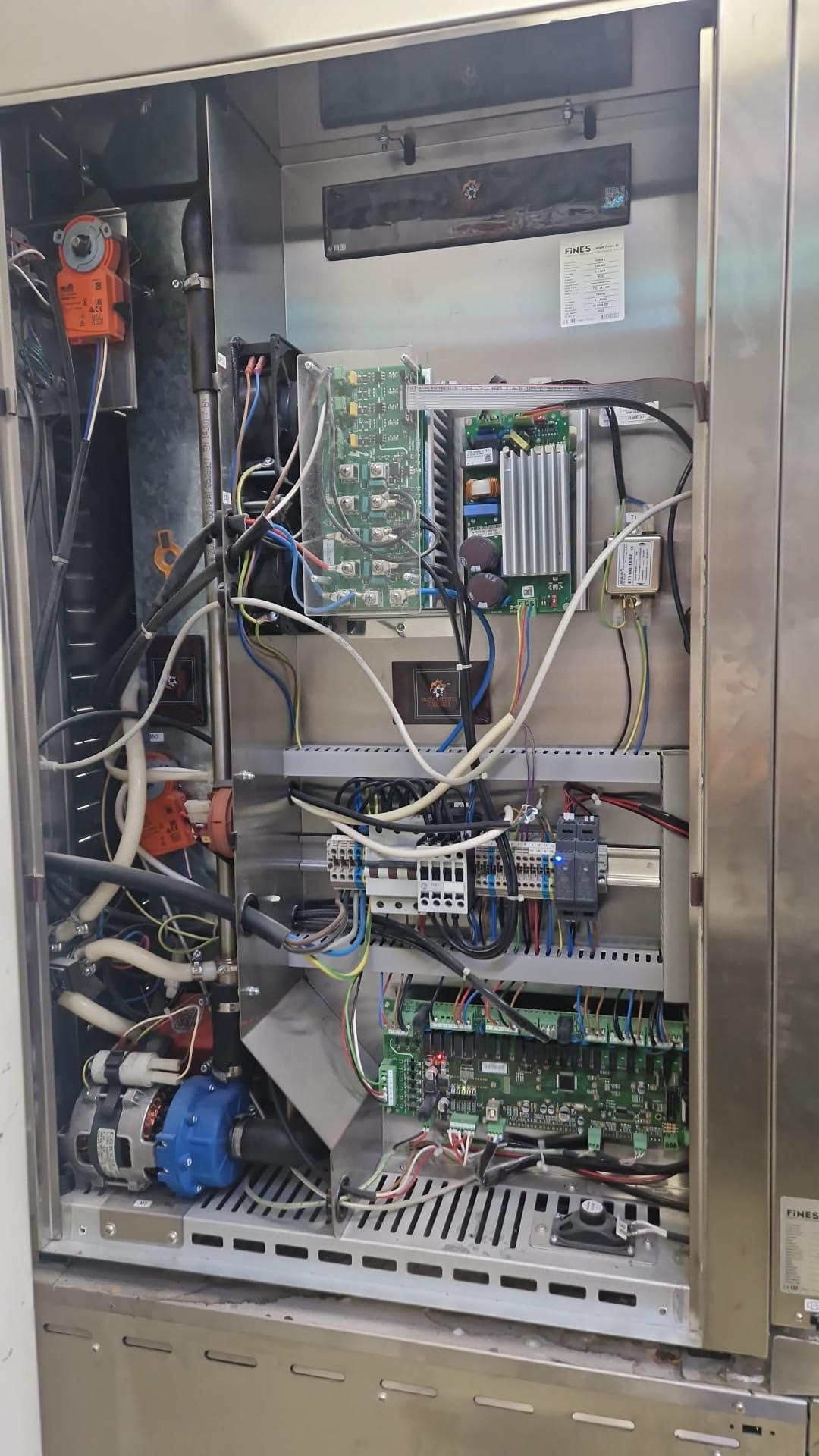
Control cabinets
- How does electricity cause so many fires? The heating of cables and electrical components can cause loosening and deterioration of the contact. Fires can be caused by electrical wiring, worn components in the control panel, but also by lack of maintenance of electrical devices, poorly maintained connections, and overloaded electrical installations. Improperly used extension cords can also cause fires. Worn wires, loose wires, and fuses in electrical systems and other components that are not maintained over time begin to overheat and cause a short circuit, sparking, and subsequently a fire. Combustible materials and components in the vicinity of the incident are then also affected, leading to a fire.
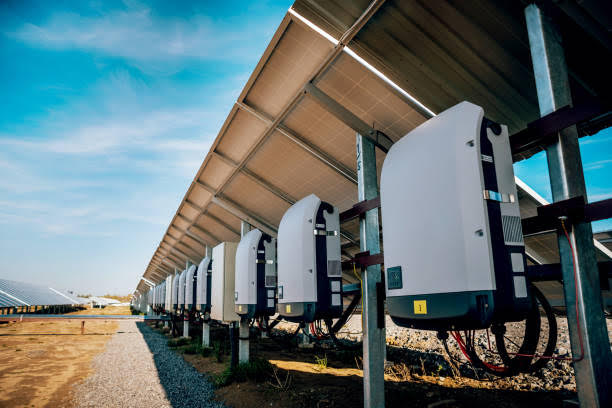
Solar power plants
- According to unofficial data from the Electrotechnical Association of Slovenia and its subordinate NNELI committee, out of 100 power plants inspected, only four are electrically suitable. When you add to this the statistics that 50% of building fires are caused by electricity, the problem of fires in solar power plants is more than justified, considering that maintenance in small power plants is either very neglected or nonexistent.
- If a power plant is commissioned without special precautions, the question arises: How will it perform in five or ten years? Its expected lifespan is at least 25 years. During this time, it is directly exposed to large temperature fluctuations, wind, hail, rodents, birds, and other potentially aggressive influences on the electrical components. This increases the possibility of failures or damage over the years, and thus the risk of the aforementioned phenomena of arcing, short circuits, or overheating, which can lead to the ignition of components.
-10%